
 Facebook
 X
X
 Pinterest
 Copy Link
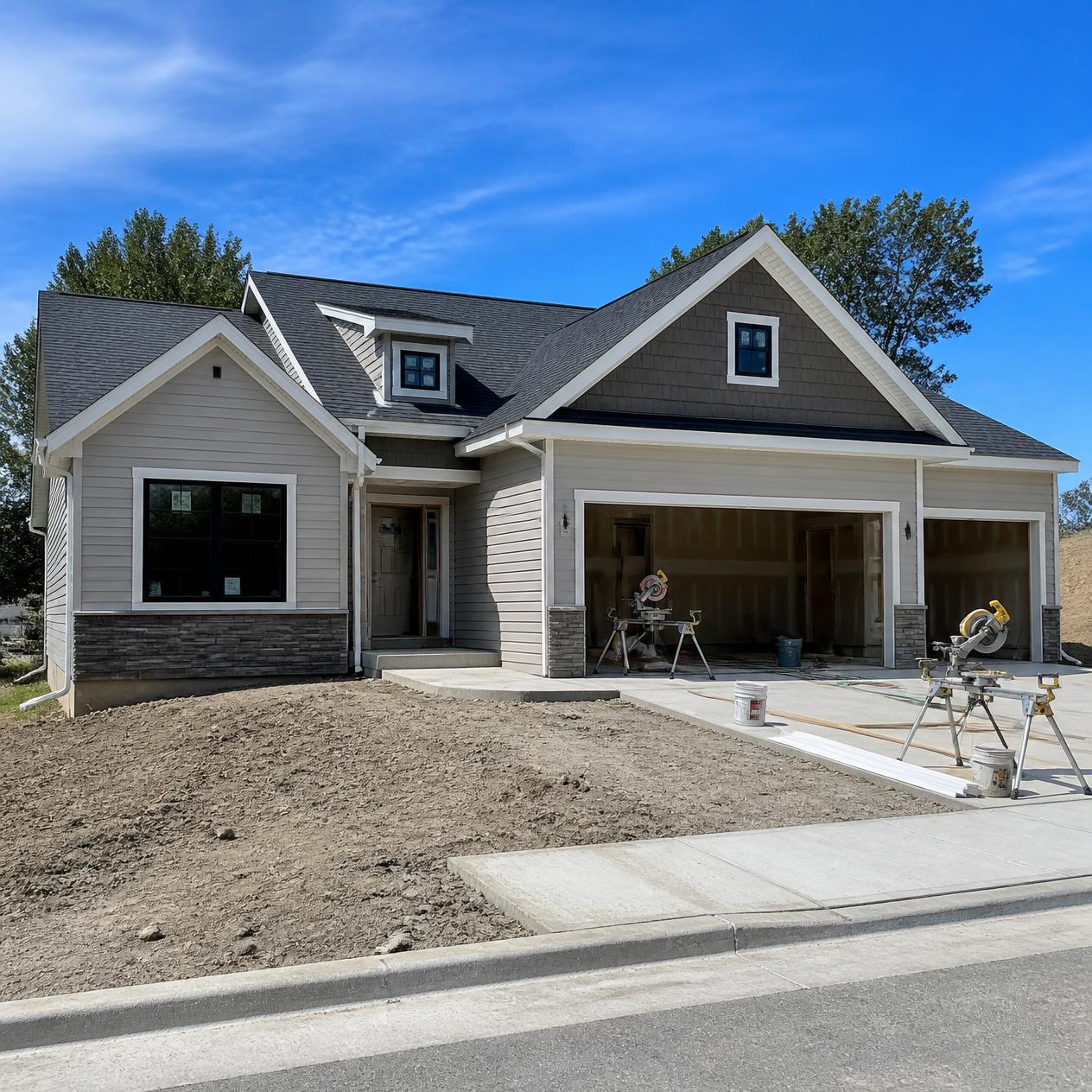
Understanding Your New Construction Home Warranty in Henderson, KY
Buying a brand new home comes with a lot of paperwork, and one of the most important pieces is the warranty your builder gives you. If you’re building or buying new construction in Henderson, KY or across the river in Evansville, IN, it’s worth taking the time to understand exactly what’s covered, for how long, and what to do if something goes wrong.
I get questions about this all the time from buyers who assumed a new home meant nothing would ever need fixing. In my experience, even the best-built homes settle in over that first year, and knowing your warranty ahead of time saves a lot of stress later.
Why This Matters in Henderson, KY
New construction has picked up in Henderson County and the surrounding Tri-State area, and I’m working with more buyers who are choosing to build instead of buying resale. That’s a great option, but it also means more buyers are signing builder contracts without fully understanding the warranty language inside them.
In addition, our local climate plays a role here. Henderson and Evansville see hot, humid summers and cold winters, and that seasonal swing can bring out issues in a new home, such as minor foundation settling, drywall cracks, or HVAC performance problems, that don’t show up until the house has been through a full year of weather changes. That’s exactly why most builder warranties are structured the way they are, and it’s worth understanding that structure before you close.
What’s Typically Covered in a New Construction Warranty
Most production and custom builders in this area follow a similar warranty structure, often called a “1-2-10” warranty. It’s not a law, it’s an industry standard, but you’ll see it in most builder contracts. Here’s how it generally breaks down.
Year One: Workmanship and Materials
For the first year, your builder typically covers defects in workmanship and materials. This includes things like drywall cracks, nail pops, doors and windows that don’t close properly, and issues with trim or paint. This is the broadest coverage you’ll get, and it’s the year when you’re most likely to file a claim, simply because this is when a house is settling and being lived in for the first time.
Years One and Two: Major Systems
Your electrical, plumbing, heating, and cooling systems are usually covered for two years. This means if your HVAC system stops working properly or you have a plumbing leak that isn’t caused by normal wear, the builder is generally responsible for the repair during this window. As a result, it’s smart to run every system in your new home hard during that first year and note anything that doesn’t seem right.
Years One Through Ten: Structural Elements
The longest piece of coverage, usually ten years, applies to major structural defects. This means the load-bearing parts of the home, such as the foundation, framing, and roof structure, in cases where a defect causes actual structural failure. This is a high bar to meet. It generally does not cover cosmetic issues or minor settling, only defects that affect the home’s structural integrity.
Third-Party Warranty Companies
Some builders back their warranty with a third-party company instead of covering it themselves. These companies underwrite the warranty and often provide a more standardized claims process. One example used by builders across the country is 2-10 Home Buyers Warranty, which offers structural warranty coverage that builders can purchase for their new homes. If your builder uses a third-party warranty, ask for the paperwork at closing so you know who to contact for a claim.
What’s Usually NOT Covered
It’s just as important to know what falls outside your warranty. Most builder warranties exclude the following.
- Normal wear and tear
- Damage from homeowner neglect, such as failing to maintain gutters or grading
- Cosmetic issues after the first year, like small drywall cracks from normal settling
- Damage caused by the homeowner’s own changes or additions
- Appliances, which usually carry their own manufacturer warranty separate from the builder’s warranty
- Landscaping, sod, and anything planted, which typically has a very short coverage window, sometimes just 30 to 90 days
For example, if your sod dies because of a dry summer and you didn’t water it as instructed, that’s on you, not the builder. However, if a structural beam fails because it was installed incorrectly, that’s a different story.
How Do You File a Warranty Claim?
Filing a claim is usually more straightforward than people expect, but it does require some documentation on your end. Here’s how I walk my new construction buyers through it.
Step One: Read Your Warranty Document
Your builder should have handed you a written warranty at closing. Read through it, or better yet, read it before you close so you know what you’re agreeing to. It will tell you exactly what’s covered, for how long, and how to submit a claim.
Step Two: Document the Problem
Take clear photos or video of the issue. Note the date you noticed it. If it’s something like a leak or a system failure, write down exactly what happened and when.
Step Three: Submit the Claim in Writing
Most builders require warranty claims in writing, either through an online portal, a form, or an email. A phone call alone usually isn’t enough. Keep a copy of everything you send.
Step Four: Allow Time for Inspection and Repair
The builder or their warranty company will typically schedule an inspection before approving the repair. This can take a few weeks depending on the builder’s schedule, so it’s worth being patient, but also worth following up if you don’t hear back within a reasonable time.
Step Five: Keep Records of Everything
Save every email, form, and photo related to the claim. If a dispute comes up later, this documentation is what protects you.
How Long Does a New Construction Warranty Last?
To put it simply, it depends on what part of the home you’re asking about. Workmanship issues are usually covered for one year, major systems for two years, and major structural defects for up to ten years. Some builders offer longer or shorter terms, so the only way to know for sure is to read your specific contract. If anything is unclear, it’s worth asking your builder directly before you sign, or having a real estate attorney review the warranty language with you.
Frequently Asked Questions
Do all new construction homes come with a warranty?
Most builders offer some form of written warranty, but the terms vary widely from one builder to the next. It’s not automatically guaranteed by law in every situation, so always ask for the warranty document in writing before you sign a contract.
What is the “1-2-10” warranty?
It’s a common industry structure where workmanship and materials are covered for one year, major systems like plumbing and HVAC for two years, and major structural defects for up to ten years. Not every builder follows this exact structure, so confirm the details in your own contract.
What if my builder won’t respond to my warranty claim?
Start by putting your request in writing if you haven’t already, and keep a paper trail. If you still don’t get a response, a real estate attorney can advise you on next steps, and if a third-party warranty company backs your home, you can also file directly with them.
Does the warranty transfer if I sell the home?
In many cases, the structural portion of the warranty does transfer to the next buyer for the remainder of the term, especially with third-party warranty companies. This is worth mentioning to buyers if you sell your new construction home before the warranty period ends. Check your specific warranty document to confirm.
Should I still get a home inspection on new construction?
Yes. A warranty covers repairs after the fact, but an independent inspection before you close can catch issues early and give you a clear record of the home’s condition. I recommend it to every new construction buyer I work with.
What’s the difference between a builder’s warranty and a home warranty I buy myself?
A builder’s warranty covers defects in construction and is provided by the builder. A home warranty you purchase separately typically covers the repair or replacement of appliances and systems due to normal wear over time, which is a different kind of coverage entirely.
Let’s Talk About Your New Construction Purchase
Whether you’re just starting to think about building in Henderson County or you’re under contract and want a second set of eyes on the warranty language, I’m happy to walk through it with you. There’s no pressure, just honest information from someone who has helped buyers through this process for years.
About Linda Meuth
Linda Meuth is a real estate salesperson with ERA First Advantage Realty, Inc. in Henderson, KY. Licensed in both Kentucky and Indiana, she has lived in the Tri-State area her whole life and has been helping buyers and sellers across Henderson County and Evansville since 2012.
Linda Meuth | ERA First Advantage Realty, Inc.
914 N. Elm St., Henderson, KY 42420
Direct: 270-577-7617 | Office: 270-577-8701
Email: linda.meuth@erafirst.com
Website: linda.sites.erarealestate.com
Why do they do the concrete driveway near the end of construction?
